The single most common complaint about ordering Sanei plush is that the figure arrived smaller than expected. Almost every time, the cause is the same: the listing said size S, the buyer pictured a hug sized toy, and size S in the All Star Collection means something closer to a coffee mug.
The rough translation
Sanei uses S, M and L across most of its lines, and while the letters are not standardised to the millimetre, they cluster reliably.
- Size S sits between roughly 5 and 8 inches. This is the default size for the majority of the catalog, and for many characters it is the only size ever produced.
- Size M runs around 9 to 12 inches. Far fewer characters get an M release, usually the ones with broad appeal.
- Size L starts around 13 inches and goes up. Reserved almost entirely for headline characters: Pikachu, Kirby, Mario.
Why two figures at the same height look completely different
Sanei measures total height including ears, hats and any vertical appendage. A 10 inch Luigi is a mostly vertical figure whose hat accounts for a chunk of that measurement. A 10 inch Kirby is a sphere. They occupy wildly different amounts of shelf space despite carrying the same number.
If you are matching a figure to a specific gap on a shelf, the useful measurement is width, not height, and width is rarely listed. A safe assumption for the round characters is that width runs about 80 percent of stated height. For the upright humanoid characters it is closer to half.
Sizing within a series stays consistent
This is the quiet strength of the line. A size S Eevee released years ago stands correctly next to a size S Sylveon bought today. Sanei does not rescale characters between waves, so a collection assembled slowly still reads as a set rather than a jumble.
Across series the logic breaks down. The Pokemon PP line and the Super Mario AC line were sized against their own source art, not against each other, so a size S Pokemon and a size S Mario character are not built to share a shelf in scale. Most people arrange by series for exactly this reason.
Reading the code alongside the size
The catalog number does more work than the size letter. PP16 is a specific Pikachu release, and knowing the number tells you which run you are getting when a character has been reissued three times at slightly different dimensions. Sellers are inconsistent about listing the code, but when it is there, it settles the question.
What to check before ordering
- Find the stated height in inches or centimetres rather than trusting the letter.
- Work out whether that height includes ears or a hat, which it almost always does.
- If you already own figures from the same series, compare codes rather than sizes.
- For a shelf with a fixed height, subtract an inch for safety, since stated heights are measured on a fresh figure before the fill settles.
None of this is exotic. It just runs against the instinct that a letter grade means the same thing everywhere, which in this catalog it does not.
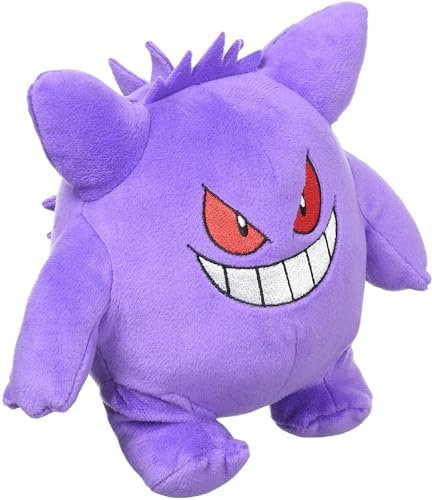 ★★★★★ 4.7 (7,559)Pokemon All Star Series Gengar Stuffed Plush, 6"$21.89Size S
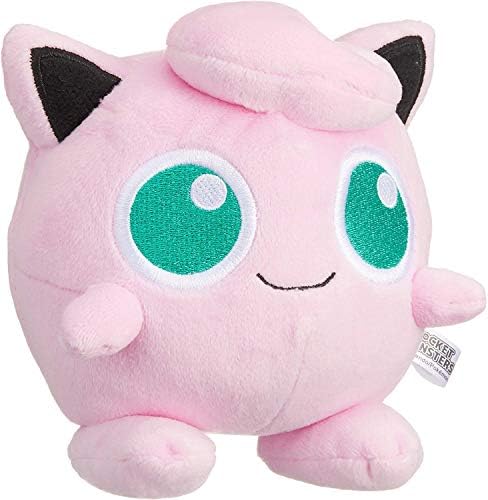 ★★★★★ 4.7 (7,559)Pokemon All Star Series Jigglypuff Stuffed Plush, 5", Pink…$20.00Size S
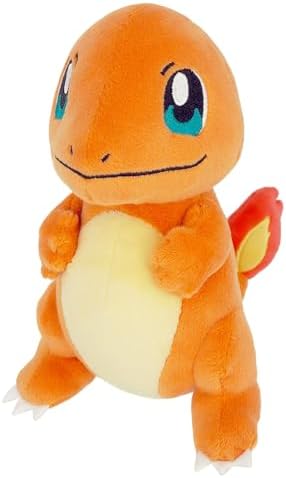 ★★★★★ 4.7 (7,559)Pokemon All Star Series PP18 Charmander Stuffed Plush, 6.5"$19.95Size S
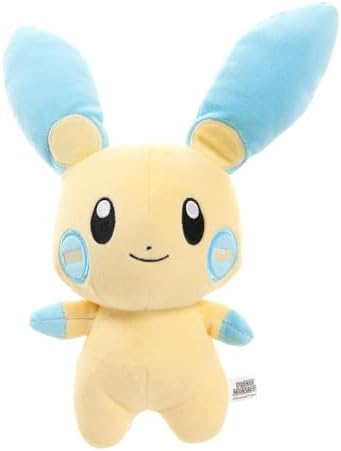 ★★★★★ 4.7 (7,559)Pokemon All Star Series - PP70 - Minun Stuffed Plush, Yellow,…$21.00Size S